Shingle Roofs in San Diego: A Practical Choice Built Right
Shingle roofs do not always get the spotlight in San Diego. Tile often gets the visual attention, especially in neighborhoods where Spanish and Mediterranean styles commercial roof replacement shape the streetscape. Flat and low-slope systems have their place too, particularly on certain home designs and additions. Even so, asphalt shingles remain a practical, sensible roofing option for many properties when the system is designed and installed correctly.
That last part matters more than people think. A roof is never just the outer surface you can see from the driveway. It is a weather assembly. The visible shingles are only one part of the performance. Underlayment, flashing, drainage details, transitions, and the quality of the roof installation all work together. If one part is rushed or poorly matched to the structure, the finished roof can look fine on day one and still become a problem roof long before it should.
In San Diego, where sunshine dominates most of the year, it is easy for homeowners to underestimate roofing. The weather can feel forgiving right up until a winter storm arrives and finds every shortcut. That is why shingle roofing deserves a more grounded conversation, one based less on appearances and more on fit, code, and craftsmanship.
Why shingles make sense here
A well-built shingle roof can be a strong fit for many San Diego homes because it balances cost, appearance, and straightforward maintenance. Not every house needs the weight or visual profile of tile. Not every roof shape benefits from a low-slope membrane system. For many sloped residential roofs, shingles offer a clean and familiar solution that can be installed efficiently and serviced without turning every future repair into a specialized project.
Homeowners usually begin the conversation with budget, and that is understandable. Roof replacement is a major expense, even when everything goes smoothly. Shingles often enter the discussion because they can provide a practical path forward without forcing a homeowner into a more complicated assembly than the house really needs. Practical does not mean cheap in the dismissive sense. It means the material is aligned with the structure, the style of the home, and the owner’s long-term plans.
There is also something to be said for flexibility. On houses with multiple roof planes, valleys, penetrations, and tie-ins from past remodels, shingles can adapt well when the installer pays attention to the details. A simple roof still rewards good work, but a complicated roof punishes bad work faster. In my experience, the shingle jobs that hold up best are not the ones where the crew moved fastest. They are the ones where somebody stopped at every transition and thought through where water would go.
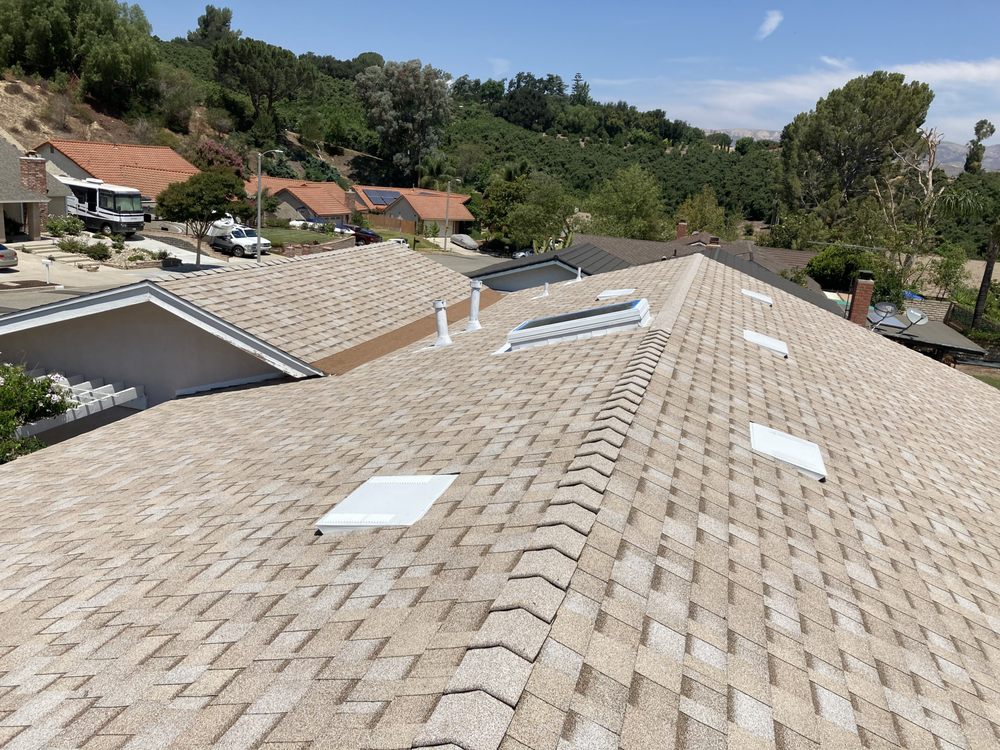
That question, where will the water go, sits underneath almost every smart roofing decision.
San Diego roofs are shaped by code as much as climate
A lot of homeowners are surprised to learn how much the local process matters. In San Diego, reroofing or roof-covering renewal generally requires a permit, and the city’s rules follow the California Building Code and Residential Code as amended locally. There can be exemptions for some in-kind repair or replacement work, but once the scope moves beyond a limited repair and into broader reroofing, the requirements change.
This matters for two reasons. First, the difference between a repair and a true roof replacement is not just a billing issue. It can affect permits and code compliance. Second, homeowners sometimes assume a contractor will “handle all that” without asking what “that” actually includes. A permit is not just paperwork. It is often the dividing line between patching a problem and rebuilding a roof assembly under current rules.
Older homes can add another layer of complexity. In San Diego, certain older buildings may trigger special permit or historic review considerations. Material changes can matter too. The city notes that replacing wood shakes or wood shingles with certain heavier roofing materials can affect permit requirements. Even if a homeowner already knows they want shingles, that broader principle is worth understanding: changing the roof covering is not always a simple swap from one look to another.
Good roofing companies know this, and the better ones discuss it early. They do not wait until the tear-off is underway to explain that the permit path is different from what the homeowner assumed.
The real value is in the assembly, not just the shingle
People shop shingles by color and warranty language, but roofs succeed or fail on the assembly. California roofing rules make this point clearly in other roof systems. Tile, for example, is not just tile. Code requires tile to be installed according to manufacturer instructions, including slope and underlayment requirements. Low-slope membrane systems are also governed by drainage rules, with code emphasizing minimum slope for drainage on single-ply systems.
Even if you are not installing tile or a low-slope membrane, the lesson carries over. Roofing materials are not independent from the rest of the roof. They depend on slope, underlayment, drainage, and installation method. The best contractors think this way automatically. They do not talk about “just putting on new shingles” because that phrase usually hides important details.
A homeowner can often hear the difference during the estimate. One contractor talks almost entirely about product names and square-foot pricing. Another spends time examining roof planes, flashing locations, transitions to walls, and areas where water may collect or back up. The second conversation may feel slower, but it is usually the more serious one.
That does not mean every roof needs an elaborate redesign. Most do not. It means a proper roof installation starts with the house in front of you, not with a stock proposal copied from the last job.
Sun is not the only enemy
San Diego homeowners tend to focus on heat and UV exposure, and fair enough, roofs spend a lot of time in the sun here. But roofs are also tested by occasional concentrated rain, especially when water meets leaves, debris, clogged drainage paths, or old flashing. A roof can spend months looking perfectly fine in dry weather while slowly waiting for the right storm to expose a weakness.
Building standards in California consistently emphasize protecting roof assemblies from water intrusion and keeping roof drainage functional during construction. That principle sounds technical, but it is really common sense in work clothes. Once water gets where it should not, the visible leak is often not the start of the problem. It is the moment the problem finally becomes obvious.
That is why the cleanest-looking roof is not always the best roof, at least not by appearance alone. A tidy shingle pattern is good. Proper drainage planning is better. New materials are good. Correct tie-ins at penetrations and edges are better. If I had to choose between a roof that looked impressive from the curb and one that was quietly detailed by a careful crew, I would take the careful crew every time.
Repair or roof replacement, where the line usually appears
One of the most useful conversations a homeowner can have is whether the roof needs a targeted repair or a full roof replacement. In practice, the line often comes down to scope. If the work is limited and truly in-kind, it may fall into the category of repair or exempt work in some cases. If it becomes broader reroofing or roof-covering renewal, permitting and broader code compliance usually enter the picture.
This is not always what people want to hear. Many would prefer to solve a large problem with a small repair bill. Sometimes that is reasonable. Sometimes it only delays a larger expense and leaves the homeowner paying twice, once for the patch and again for the replacement that should have happened in the first place.
A fair contractor should be able to explain why a repair is enough, or why it is not. They should also be able to explain what assumptions they are making. If the proposal quietly relies on old underlayment, old flashing, or uncertain deck conditions, that should be discussed openly.
A few signs often push the conversation away from patchwork and toward broader reroofing:
- Leaks are showing up in more than one area, especially after separate rain events.
- Previous repairs have multiplied, but the underlying problem keeps returning.
- The work needed is no longer isolated to a small, clearly defined section.
- The roof covering is being renewed broadly enough that permit requirements are likely to apply.
- The homeowner wants a longer-term reset rather than another short-term fix.
Those points do not replace an inspection, but they frame the decision honestly. The goal is not to oversell roof replacement. The goal is to avoid pretending a roof has years left when the evidence says otherwise.
Shingles compared with tile and low-slope systems
San Diego’s roofing market gives homeowners several common reference points. Tile is a major one. Low-slope systems such as modified bitumen are another, especially for flatter sections of residential roofs. Torch-down roofing, for example, is a common modified bitumen approach used on flat or low-slope roofs. It is designed for a different roof geometry and should not be treated like a substitute for shingles on a sloped roof.
This comparison matters because homeowners sometimes shop all roofing materials as if they are interchangeable. They are not. Tile roofs are governed by manufacturer instructions and code requirements that include slope and underlayment considerations. Low-slope membrane roofs are governed by drainage requirements that are central to their performance. Shingle roofs belong to their own lane roof replacement and should be evaluated based on whether that lane fits the house.
If a home has a conventional sloped roof and the owner wants a practical, familiar system that can be maintained without unusual complexity, shingles often make a lot of sense. If the roof design includes low-slope sections, those areas may need a different roofing approach entirely. A good contractor will not blur those distinctions just to keep the sales conversation simple.
I have seen projects where homeowners were told one material could solve everything, only to find out later that different roof areas needed different systems. That is not a failure of the house. It is just reality. Roof design drives material choice as much as owner preference does.
A roof installation should feel methodical, not rushed
Most homeowners do not watch the full roofing process, nor should they have to. Still, it helps to know what professional work feels like. Good roofing has a rhythm to it. Materials arrive in an organized way. Tear-off proceeds with clear attention to weather exposure and cleanup. The crew protects vulnerable areas while the roof is open. Drainage pathways are not treated as an afterthought. Questions get answered clearly. Surprises are explained before they become change orders.
California guidance on roof work emphasizes protecting assemblies from water intrusion during construction and keeping drainage functional. That is not abstract language. It reflects real jobsite discipline. Roofs are most vulnerable when they are partially complete. If a crew treats that window casually, the homeowner takes on risk they may never fully see.
A professional roof installation is often noticeable not because of dramatic flair, but because of the absence of chaos. The crew is not improvising every hour. They are working through a sequence. They know where the sensitive details are. They understand that the roof must perform before the final shingle is laid and after the truck leaves.
That kind of discipline is worth paying for.
Questions that reveal whether a roofer is thinking clearly
Homeowners do not need to become code experts to hire well. A few practical questions can reveal a lot about how a contractor approaches the work.
- Does this scope count as a repair, or does it rise to the level of reroofing that requires a permit?
- Are there any age, historic, or material-change issues with this property that could affect approval?
- How will you handle drainage and water protection while the roof is open?
- What roof areas, transitions, or penetrations concern you most on this house?
- If you discover conditions that change the scope, how will you document and explain them?
These are not trick questions. A serious contractor should welcome them. The point is not to force a rehearsed answer. It is to see whether the person across from you thinks in systems or only in sales language.
The best estimate meetings often feel less like a pitch and more like a walkthrough. You hear specifics. You hear caution where caution is justified. You hear confidence where the work is straightforward. That balance is a good sign.
What homeowners often get wrong about “practical”
The word practical can sometimes sound like settling. I do not see it that way. In roofing, practical often means appropriate. It means the material matches the roof shape, the budget, the maintenance expectations, and the permitting path. It means not paying for complexity your house does not need. It also means not pretending a simple material excuses sloppy workmanship.
Some of the strongest roofing decisions are surprisingly unglamorous. A homeowner picks a sensible shingle roof because the house is a good fit for it. They invest in proper installation details instead of chasing the most eye-catching upgrade. They make sure the work is permitted when required. They understand the difference between a patch and a true renewal. Years later, they are glad they spent money on competence rather than presentation.
There is maturity in that kind of decision. A roof does not need to impress the internet. It needs to protect the house.
The San Diego factor, style versus performance
San Diego does bring one unique pressure to the conversation, and that is aesthetics. Neighborhood character can strongly influence what homeowners think a roof should look like. Tile has a regional identity, and for some homes it is the right visual and practical answer. But plenty of houses do not need to imitate a style that was never natural to the structure in the first place.
A shingle roof can look clean, proportionate, and entirely appropriate when chosen with the home’s lines in mind. More important, it can be installed and renewed without forcing the house into a roofing system that introduces unnecessary complications. That is especially true when the homeowner is balancing appearance with straightforward roof replacement planning.
I have seen owners struggle with this because they think practical means visibly lesser. Usually, once they look at the whole property instead of just the roof in isolation, the answer becomes clearer. The best roofs often disappear into the architecture. They do not fight it. They support it.
Built right means thinking past the first rain
The true test of a roof comes later. Not on the day the final payment is made, but after heat cycles, wind, rain, debris, and the ordinary wear of seasons. That is when all the hidden decisions begin to matter. Was the work scoped correctly? Was it treated as a system? Were the permit requirements handled properly? Were the vulnerable details respected? Was drainage kept functional, both during the job and after?
Shingle roofs earn their reputation when those questions are answered well. They are not flashy by default, and they do not need to be. Their strength is that they can offer a practical, serviceable, visually adaptable roofing solution for many San Diego homes, provided they are installed with care and judged honestly against the house they are protecting.
That is really the heart of it. Shingles are a practical choice, but only when practical is understood in the fullest sense. Not the cheapest line item. Not the fastest sale. Practical as in well-matched, well-installed, and handled with the kind of professional judgment that keeps a roof from becoming a recurring problem.
For homeowners in San Diego, that is often exactly the right goal. A roof that fits the house, respects the rules, and does its job quietly for years is not a compromise. It is the standard to aim for.